
Complete Guide to Loan Underwriting Software for Lenders
When it comes to underwriting, risk is inevitable. Every incoming lead involves some degree of risk. For teams and specifically the underwriting team, the challenge is not about reviewing applications. The real challenge is ensuring accuracy and consistency, and that too at scale. When loan volume increases and applications pile up, manually reviewing each application using the same parameters is simply not possible. Even if it is, errors become frequent. High-intent leads may get ignored and remain unanswered.
And that's probably why modern technologies like loan-underwriting software are good options for lenders looking to scale. From supporting faster application submission to making more structured decisions, the software automates everything from application submission to decision-making.
What is Loan Underwriting Software?
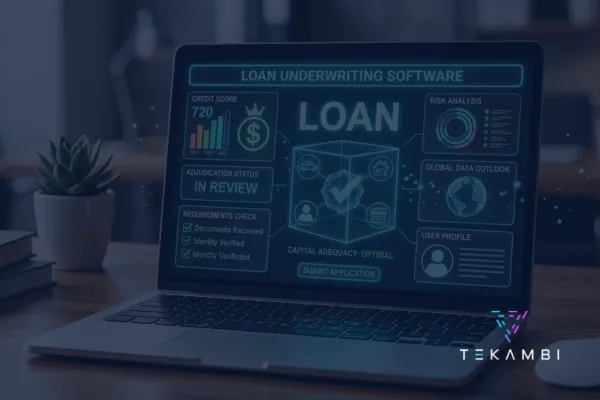
Loan underwriting software is a digital lending solution that helps lenders and lending institutions make informed decisions. The software allows lenders to evaluate applications against predefined rules before extending credit. What was once done by manual underwriters in days, the software automates those tasks entirely, allowing teams to focus on more important tasks.
During review, the system fetches data from multiple sources to evaluate the applicant’s income, borrowing history, and credit data. The objective is to create a complete picture of the applicant before making a lending decision. Contrary to what has been believed in the lending market, underwriting is not simply about approving loans faster. The real purpose is to consistently improve decision quality.
How Does Loan Underwriting Software Work?
Loan underwriting software follows the same objective as traditional underwriting: to evaluate risk before extending credit. The difference lies in how information is reviewed and how decisions are made.
Application Data Is Collected
The process kicks in when a prospect submits a loan application. Based on predefined criteria, the system gathers personal details, employment information, income records, and other relevant data. The purpose is simple. Lenders need a complete picture of the applicant before making a credit decision. Once the application is reviewed, the system organizes and prepares for further evaluation.
Eligibility Requirements Are Reviewed
Strange, but not every application moves forward to the underwriting stage. Before evaluating risk, lenders determine whether the applicant meets basic eligibility criteria or not. To ensure a scrutinized evaluation, the software compares application data against predefined lending criteria established by the organization. The eligibility details may range from income requirements, employment conditions, and loan limits. This initial review helps lenders focus underwriting resources on applicants who qualify for consideration.
Risk Factors Are Evaluated
Once the applicant comes in, a lender has to consider two factors simultaneously: whether the borrower meets eligibility criteria and whether the borrower would repay it. This distinction helps separate eligible applicants from creditworthy applicants. To make that determination, the software reviews a range of financial indicators. Credit history may reveal past repayment behavior. Existing debt obligations can provide insight into current financial commitments.
A Decision Is Generated
Once the evaluation is complete, a decision is produced based on the lender's rules and review criteria. Some applications are approved immediately. Others may be declined. Certain applications can also be flagged for additional review when further assessment is needed.
Decision Records Are Maintained
Every underwriting decision should be supported by clear documentation. From storing application data to recording decisions, the software helps lenders maintain consistent visibility. Lenders need to understand how decisions were reached and whether policies were applied consistently. In underwriting, documentation is not just a back-office task. It protects the lender and strengthens the decision process.
Key Features of Loan Underwriting Software
Explore the key features of automated loan underwriting software that help automate underwriting, reduce manual effort, strengthen risk assessments, and improve operational efficiency.
Automated Decision Workflows
Underwriting becomes difficult when decisions depend entirely on individual reviewers. When decisions are made using individual reviewers, underwriting stalls. Because interpretation is subjective. Teams may interpret the application in their own way. With time, these inconsistencies not only affect portfolio performance but also create unwanted friction within the approval process.
Loan underwriting software helps establish a structured decision workflow. Applications move through predefined evaluation stages based on the lender's policies and review criteria. Consistency is often the biggest advantage. Similar applications are evaluated using the same standards, helping lenders maintain greater control over underwriting outcomes as operations grow.
Configurable Underwriting Rules
No two lenders evaluate risk in exactly the same way. A policy that works for one system may not work the same way for another. Since debt limits, credit requirements, and approval criteria vary from lender to lender, evaluating risk under such a strained environment becomes almost impossible.
With loan underwriting software, configurable rules allow organizations to define the conditions that guide lending decisions. Those rules become part of the evaluation process and help ensure policies are applied consistently across applications. As lending strategies evolve, underwriting criteria can be adjusted without requiring a complete redesign of the review process.
Third-Party Data Integrations
An underwriting decision is only as strong as the information supporting it. Application data provides part of the picture. Additional insight often comes from external sources. Credit reports, income verification services, identity checks, and other third-party data providers can contribute valuable information during the evaluation process.
With integrations, however, underwriters can access information without solely relying on disconnected workflows. Relevant data becomes available in the underwriting environment when needed. Because the thing is, better information does not necessarily mean better decisions. It does, however, give lenders a stronger foundation for evaluating risk.
Real-Time Application Evaluation
Speed matters when applicants are waiting for a decision. A delayed response can create friction for borrowers and slow down internal operations. Real-time application evaluation helps lenders review information as soon as it becomes available.
The loan underwriting software can apply lending rules, review submitted data, and support decision-making without waiting for long manual queues. This is especially useful when application volume increases or when lenders operate in fast-moving consumer credit markets. The value is not speed alone. A fast decision still needs structure behind it. Real-time evaluation works best when it is tied to clear underwriting policies.
Risk Assessment Capabilities
Eligibility and risk are not the same thing. An applicant may meet the basic requirements for a loan and still carry a level of risk that deserves closer review. Loan underwriting software helps lenders assess that risk before credit is extended.
The loan underwriting software can review credit behavior, income stability, debt obligations, repayment capacity, and other relevant factors. Each data point adds context to the applicant's overall profile. Strong risk assessment helps lenders make decisions that support both approval goals and portfolio quality. The aim is not to avoid risk completely. The aim is to take the right risk.
Workflow Visibility
As a matter of fact, underwriting rarely involves a single application. And teams often review dozens or even hundreds of applications.. Some may require additional documentation. Others may be awaiting review or nearing a final decision. Maintaining visibility across that activity becomes increasingly important as volumes grow.
The loan underwriting software provides a clear view of where applications are within the underwriting process. And there is leverage for underwriters in there. They can monitor progress, identify pending reviews, and understand which cases require attention. Managers benefit as well. A broader view of underwriting activity makes it easier to monitor workloads, identify bottlenecks, and ensure applications continue moving through the review process.
Reporting and Audit Trails
Underwriting decisions often outlive the application itself. Months later, a lender may need to understand why a loan was approved, declined, or sent for additional review. Memory is not enough. The decision process needs a record.
Tekambi’s loan underwriting software helps lenders examine underwriting activity over time. Over time, factors such as approval rates, decline patterns, and decision trends can reveal how underwriting policies perform in practice. Audit trails serve a different purpose. They create a documented history of the review process. Teams can see what information was evaluated, which rules were applied, and when key decisions were made.
Why Choose Tekambi for Loan Underwriting?
Without efficient underwriting, lending operations succumb to inconsistency and operational lag. Every approval influences portfolio performance. Every decline affects growth opportunities. As application volumes increase, maintaining consistency becomes more difficult.
With veteran loan underwriting software, Tekambi helps bring structure to the underwriting process. From supporting automated decision-making to application evaluations, the platform enables organizations to apply lending policies consistently across applications. The objective is to make informed, consistent, and defensible lending decisions. That is where Tekambi delivers value. So stop exploring the surface and get in contact with us, and streamline your lending operations without hassle.
Conclusion
To sum up, loan underwriting software is a solution every lending institution should adopt. Given the dynamic nature of the market, having a system that scales with business growth is a must. Lenders cannot just spend thousands of dollars on manual overhead while the portfolio performance keeps crumbling. That said, for organizations looking to modernize underwriting operations, platforms such as Tekambi help bring greater structure and control to one of the most important functions in lending.







 <
<